
Incorporating Multimedia in Learning Modules
Chosen theme: Incorporating Multimedia in Learning Modules. Discover how purposeful video, audio, visuals, and interactivity transform lessons into memorable experiences. Join the conversation, share your favorite tools, and subscribe for deeper dives, templates, and practical tutorials.
Align Media with Clear Learning Objectives
Start by defining measurable outcomes, then select media that directly advances those aims. If an animation or clip does not reduce ambiguity or scaffold practice, it’s noise. Share an objective below, and we’ll suggest a media match.
Use Dual Coding and Manage Cognitive Load
Pair concise narration with complementary visuals to engage verbal and visual channels without overload. Avoid redundant on-screen text mirroring speech. What techniques do you use to reduce distractions? Comment to compare strategies and help others refine design.
Design for Accessibility from the First Draft
Add captions, transcripts, descriptive alt text, and color-contrast checks before publishing. Accessibility widens reach and improves clarity for everyone. Which tools power your captions and checks? Share your go-to solutions so others can adopt inclusive practices.
Write tight, conversational scripts with one objective per segment, supported by purposeful B-roll or on-screen visuals. Storyboard transitions and plan pauses for reflection. Post a sample script excerpt, and we’ll suggest trims for stronger learning impact.
Designing Effective Learning Videos
Audio That Enhances, Not Distracts
Use a warm, confident tone with steady pacing and intentional pauses after key ideas. Avoid jargon unless defined aloud. Have you A/B tested different narration styles? Post your findings so we can learn what resonates with learners.
Audio That Enhances, Not Distracts
Subtle stingers, transitions, and ambient beds can signal shifts and aid recall when used sparingly. Keep levels consistent and avoid competing with narration. Share audio libraries you trust to keep modules legally compliant and emotionally balanced.

Visuals, Infographics, and Educational Animation
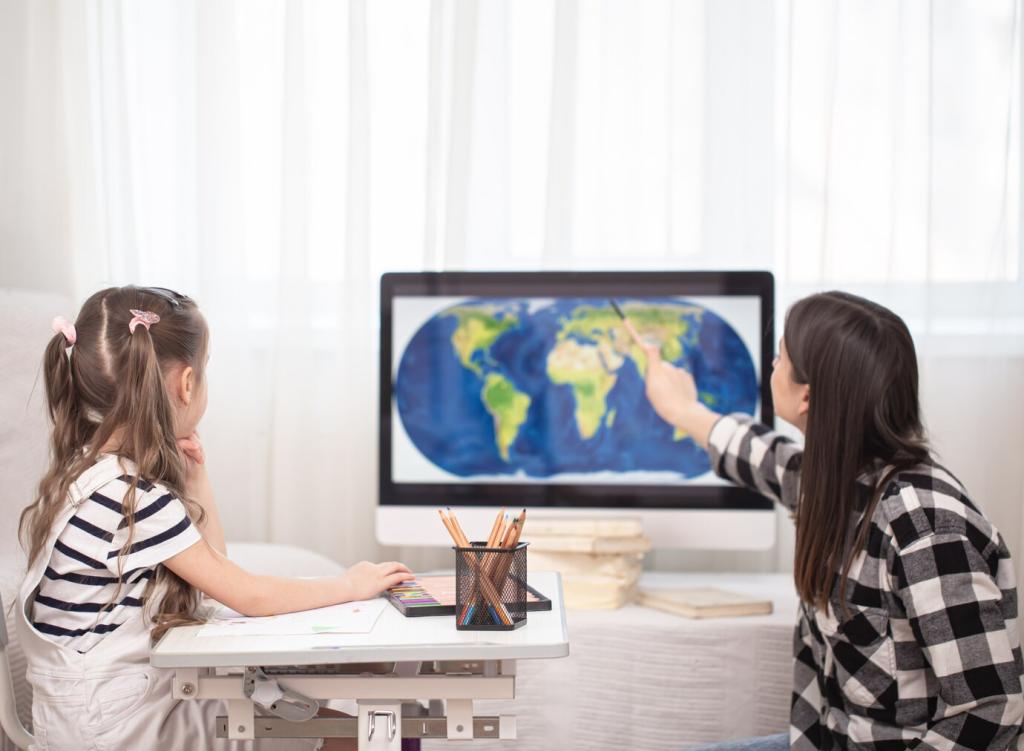
Use clean charts, consistent scales, and purposeful highlights to steer attention. Label directly, avoid clutter, and animate only to clarify change over time. Post a chart screenshot, and we’ll recommend improvements grounded in learning principles.
Define typography, color, iconography, and illustration styles that align with brand and cognitive clarity. Consistency reduces learner friction. What style guide do you follow for modules? Share excerpts to help others build cohesive media systems.
Sequence from naive concept to refined understanding, revealing steps progressively. Keep motion purposeful and narration synchronized. Which animation tool do you prefer, and why? Comment with pros and cons so readers can choose wisely.
Interactivity, Practice, and Assessment with Multimedia
Branching Scenarios for Decision‑Making
Craft realistic choices with meaningful consequences, supported by short clips, voiceovers, or screenshots. Debrief each path with targeted feedback. Got a scenario idea? Share the core dilemma, and we’ll brainstorm multimedia assets to bring it alive.
Simulations that Build Procedural Fluency
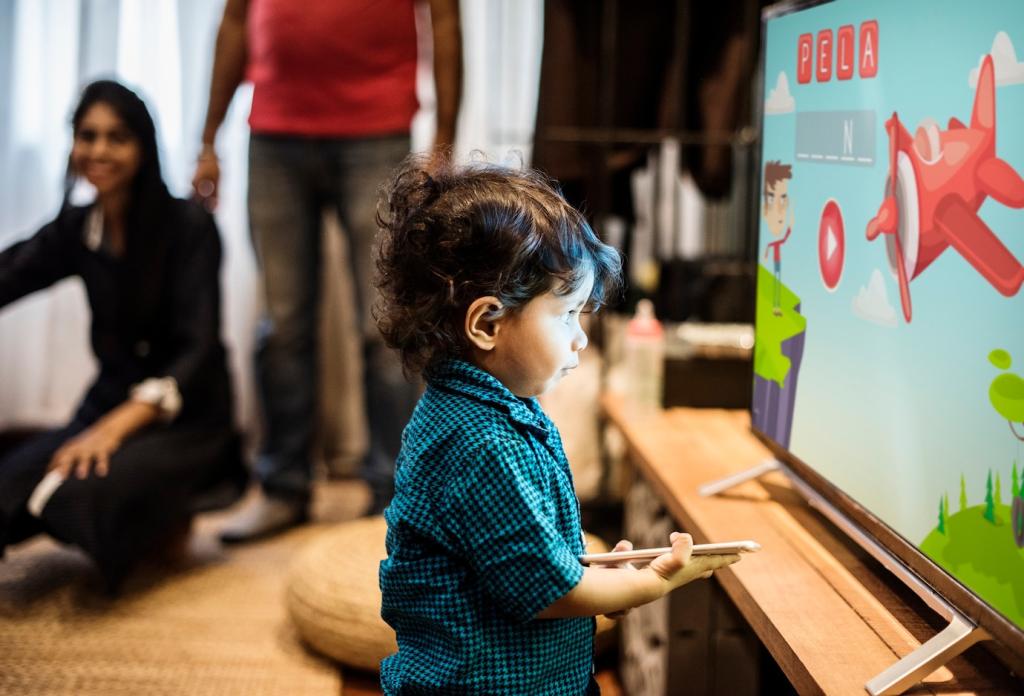
Use screencasts, overlays, and guided hotspots to mimic real tools and systems. Provide hints, retries, and immediate feedback. What task do learners struggle with most? Comment, and we’ll propose a simulation flow you can prototype quickly.
Stories from the Classroom and Workplace
A Biology Teacher’s Microscopic Victory
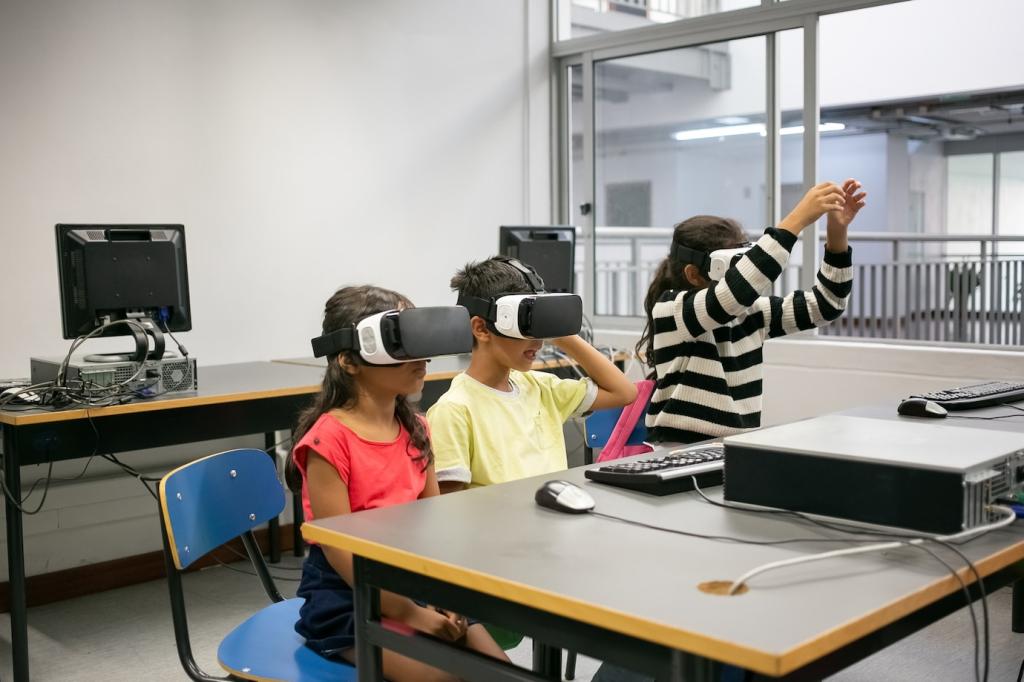
A teacher replaced dense slides with short microscope videos and narrated overlays. Quiz scores rose, but more importantly, students asked better questions. Have you seen curiosity spike after a media change? Share your before‑and‑after observations.
Onboarding that Actually Onboards
A startup swapped a PDF manual for bite‑sized videos, interactive walkthroughs, and scenario quizzes. New‑hire time‑to‑competency dropped by weeks. What onboarding pain could multimedia solve in your organization? Tell us and we’ll propose a roadmap.
Learner Reflection: Captions Changed Everything
One learner reported captions and transcripts finally made lectures stick during commutes. They rewatched segments at 1.25x with notes. What accessibility feature improved your learning most? Comment to inspire inclusive design choices across modules.